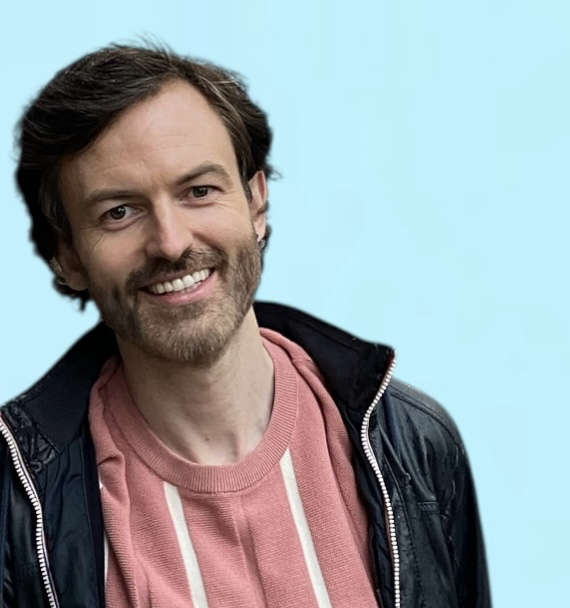


The Name’s Bond.......... Patrick Bond
There’s something quietly Wicklow about the idea of a man from Greystones ending up in a tux, saving the world, and still looking like he might miss the last DART home.
Patrick Gibson, raised in Greystones, has stepped into one of the most recognisable roles in global pop culture — James Bond — though not quite as we’ve ever seen him before.
In the new video game 007: First Light, Bond isn’t the polished, unflappable super-spy of legend. He’s younger, uncertain, and still very much in the “figuring it out” phase of his career.
Which, depending on your view, makes him either a terrifying recruit or exactly what MI6’s HR department should have been asking for all along.
Gibson’s path to this point reads less like a straight Hollywood ascent and more like a slow drift through prestige television and character roles that kept escalating in scale. Early appearances in The Tudors and The OA established him as a familiar face, before Shadow and Bone and Dexter: Original Sin pushed him into heavier territory — morally complex characters, darker storylines, and the kind of roles where no one is ever quite telling the truth.
Now, he’s wearing Bond’s name tag — though crucially, not yet the number.
What 007: First Light does differently is strip away the mythology. This is Bond before Bond becomes Bond: no legendary womanising reputation, no effortless swagger, and certainly no sense that he has everything under control. Instead, Gibson’s version is closer to a probationary agent trying not to get immediately sent back to reception.
There’s action, of course — international locations, covert missions, the usual espionage architecture — but it’s framed through someone still learning how the machinery of spying actually works. The glamour is there, but it’s not yet comfortable. Think less “shaken and stirred” and more “reading the instructions while the building is already exploding.”
It’s also a quietly interesting moment in the franchise’s wider identity crisis. With no clear direction yet for the next big-screen Bond, the character exists in a kind of limbo — part nostalgia machine, part reinvention project. This game leans into the latter, offering a version of 007 that feels intentionally unfinished.
Gibson himself has described the approach as focusing on the “human core” of Bond — a man who hasn’t yet hardened into legend. That framing matters, because it shifts the character away from caricature and closer to something more uncertain: someone being shaped by the job rather than defining it.
It also places him in a very particular Irish lineage within the Bond universe. Before Gibson, there was Pierce Brosnan, who helped reset the tone of the films in the 1990s — balancing charm, darkness, and spectacle at a time when the franchise itself was trying to find its footing. Gibson isn’t replacing that legacy, but he is quietly adding to it in a different medium entirely.
And the medium matters here. Video game Bond is not bound by the same expectations as cinema Bond. He can be rebuilt, reinterpreted, and stress-tested in ways live action rarely allows. That gives Gibson a version of the role that is both freer and more experimental — a Bond still in development, rather than fully canonised.
So what you get in 007: First Light is not the finished product, but the origin of the myth. A Greystones lad playing a man on the cusp of becoming iconic, in a world that already assumes he will be.
From interviews tied to 007: First Light, he’s emphasised to Men's Health magazine that this version of Bond is intentionally more human and less polished:
“I think there’s just a real humanity there in the books that later versions of Bond [films] definitely drew from as well. It was important from the start that it felt like a human story.”
He’s also been clear that this Bond is meant to feel unfinished — a character still forming rather than a fully-built icon:
“Meeting him at this young age, there’s scope for a vulnerability and a kind of rough-around-the-edges nature.”
And on the approach to the franchise itself, he’s said the team deliberately avoided trying to imitate past versions too closely:
“What was important was to forget the canon or pop-culture nature of it… there could almost be a temptation to pander to that. We were aiming to honour the DNA of this character.”
Taken together, his comments point to a version of Bond that’s less about inheriting a finished legend, and more about showing how that legend might realistically begin — awkward edges and all.
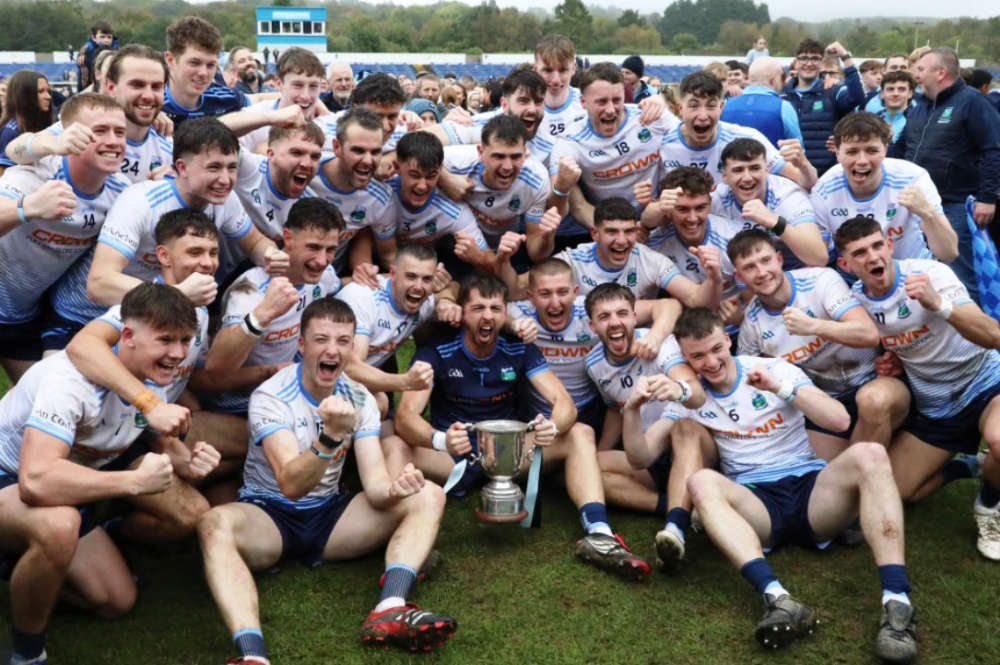 Conor Fee On Fire As An Tóchar End 31 Year Wait To Land County Football Crown
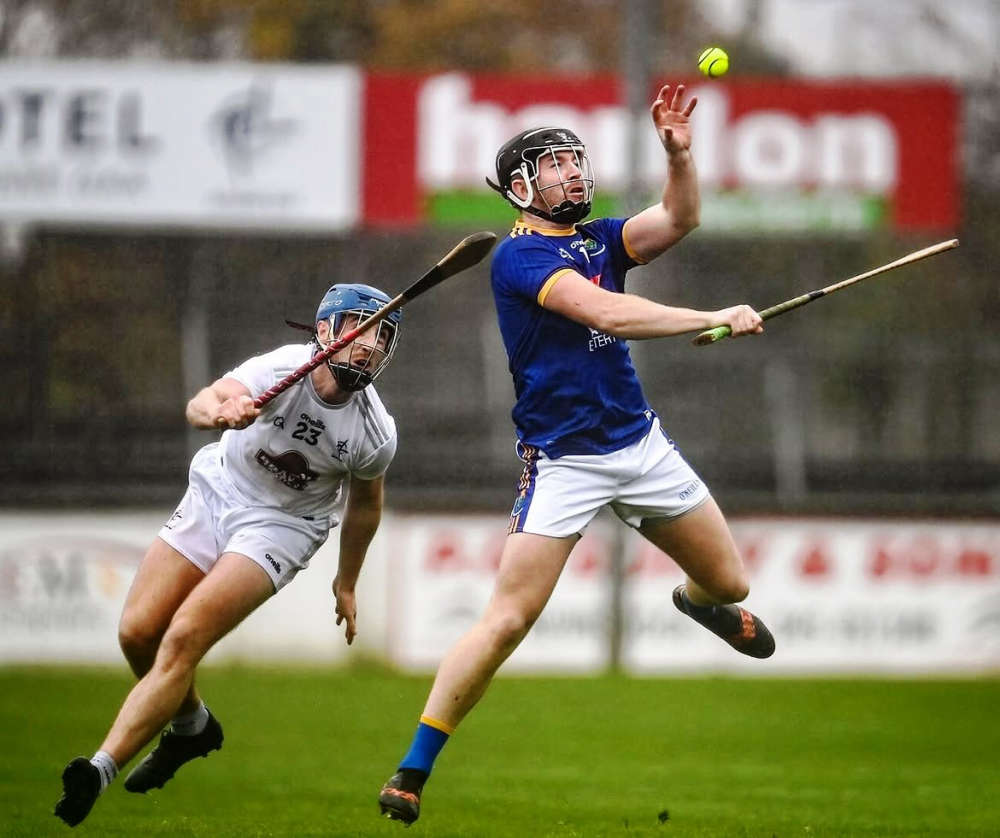 Wicklow Hails Role Model Warren Kavanagh Who Calls Time On Successful Career
 Wicklow Councillors Split On Local Property Tax Rates
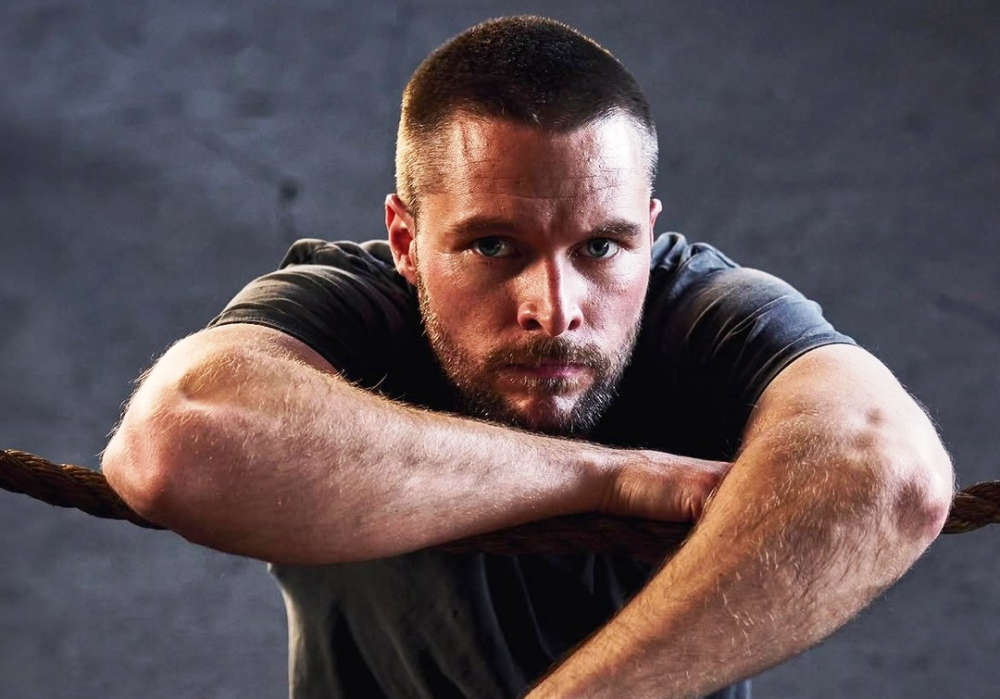 Wicklow's Jack Reynor To Be Honoured In Los Angeles
 Ominous Soundtrack Drowns Out Councillor's Message As Row Over Council Rent Hikes Rumbles On