

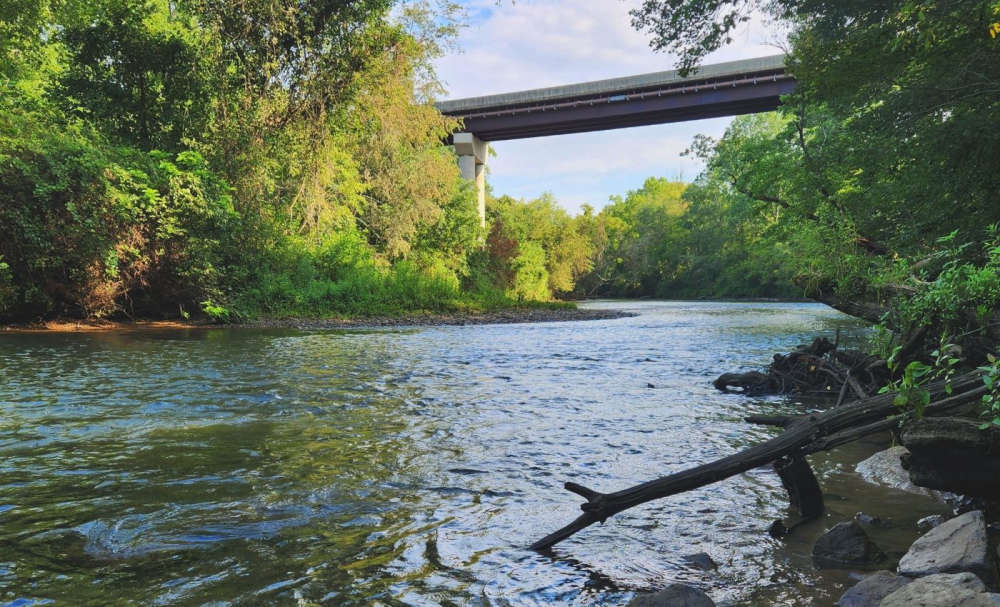
A DNA test of the Avoca river has revealed 861 species - and a deadly frog fungus!
Scientists studying the Avoca River have uncovered a remarkable hidden ecosystem beneath the river’s surface — identifying traces of more than 860 species and detecting a deadly amphibian fungus never before recorded in Ireland.
The groundbreaking study followed the river from streams in the Wicklow Mountains to the coast near Arklow using advanced environmental DNA, or eDNA, sequencing.
By analysing genetic traces left behind in water and sand, researchers identified everything from otters and fish to farm animals, domestic cats and even leatherback sea turtles.
Lead researcher David Duffy said the river effectively acted as a biological record of the entire landscape around it.
“The water is carrying traces of everything that lives in or around the river,” he said. “You’re seeing wildlife, agriculture, pollution and biodiversity all written into the DNA moving downstream.”
The findings were especially striking near Arklow, where tidal waters produced the richest concentration of genetic material.
One small sand sample collected near the river mouth revealed DNA from 861 separate animal species.
Researchers say the technology allows scientists to monitor entire ecosystems from a single sample — something that previously required multiple separate tests.
“What would once have taken many different surveys can now be seen together in one readout,” Dr Duffy said. “It gives us a completely new picture of how connected these environments really are.”
First recorded detection of deadly frog fungus
Among the most concerning discoveries was the presence of *Batrachochytrium dendrobatidis* — commonly known as chytrid fungus — which has caused catastrophic amphibian declines around the world.
The fungus attacks amphibian skin and has been linked to hundreds of frog population collapses internationally.
Until now, it had never officially been detected in Ireland.
Researchers also found DNA from Ireland’s native common frog in the same river system, raising concerns about potential risks to local amphibian populations.
“Finding the fungus in Ireland changes the picture immediately,” Dr Duffy said. “Now conservation groups know where to start looking and monitoring before visible declines happen.”
The study also highlighted environmental improvements in the Avoca catchment.
Samples collected near Arklow in 2022 showed strong evidence of untreated wastewater entering the river.
However, after the opening of new treatment infrastructure, later samples from 2024 showed human waste DNA had dropped below detectable levels.
“We could actually see where the wastewater stopped entering the river,” Dr Duffy said. “That’s the power of this kind of monitoring — it lets you measure environmental change almost in real time.”
Scientists believe the research could transform how rivers are monitored in the future, helping track biodiversity, pollution and disease far faster than traditional surveying methods.
The study has been published in the journal NAR Genomics and Bioinformatics.
 More Choice For Wicklow Buyers While Asking Prices For 3-Bed Semis Holds Steady
 Six National Finalists Revealed For New Local Hero 2026 Live Finale
 Conor Fee On Fire As An Tóchar End 31 Year Wait To Land County Football Crown
 Wicklow Hails Role Model Warren Kavanagh Who Calls Time On Successful Career
 Wicklow Councillors Split On Local Property Tax Rates